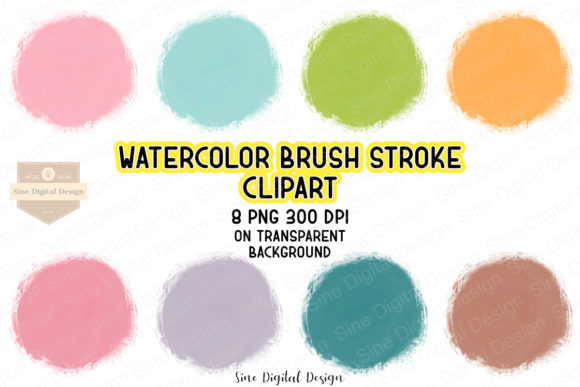
Watercolor Brush Stroke Circle Clipart: A Practical Guide for Designers
In the evolving landscape of digital design, texture and organic elements play a crucial role in softening rigid layouts and adding visual warmth. Watercolor brush stroke circle clipart has emerged as a versatile asset for creators seeking to blend artistic flair with functional design. This specific type of graphic resource combines the fluid, unpredictable nature of watercolor paint with the geometric stability of circular shapes, offering a unique aesthetic that appeals to a wide range of industries. Understanding what this asset entails, its practical applications, and its limitations is essential for designers, crafters, and business owners evaluating whether it aligns with their project goals.
Understanding the Asset
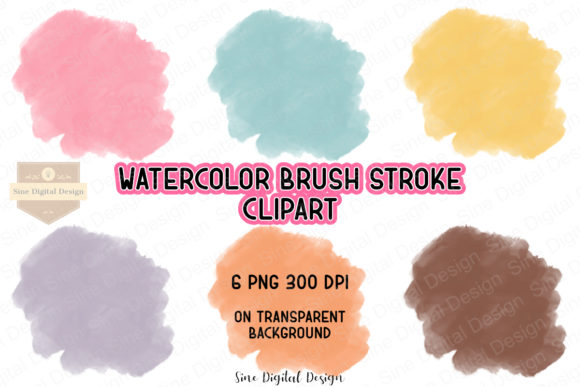
At its core, watercolor brush stroke circle clipart consists of digital images that mimic the appearance of hand-painted watercolor rings or circular smears. Unlike vector graphics, which are mathematically defined and infinitely scalable, these assets are typically raster-based, meaning they are composed of pixels. The "brush stroke" aspect refers to the visible texture, opacity variations, and edge irregularities that replicate the behavior of wet paint on paper. The "circle" component provides a framing device, often used to highlight text, logos, or central images.
When evaluating a bundle, such as one containing eight high-resolution PNG files at 300 DPI with transparent backgrounds, it is important to recognize the technical specifications. The transparent background is a critical feature, allowing the clipart to be layered seamlessly over other designs without a white box surrounding the image. The 300 DPI (dots per inch) resolution ensures that the images remain crisp when printed, making them suitable for physical products as well as digital displays.
Why Designers Choose Watercolor Elements
The interest in watercolor brush stroke circles stems from a broader trend toward authenticity and human-centric design. In an era dominated by sleek, minimalist, and often sterile digital interfaces, organic textures provide a sense of touch and imperfection that resonates with audiences. Here are several reasons why this specific clipart style is frequently selected:
- Visual Softness: The bleeding edges and color gradients of watercolor soften harsh lines, making designs feel more approachable and friendly.
- Versatility: Circular shapes are universally recognized as frames or focal points. Adding a watercolor texture makes them less rigid than standard geometric circles.
- Time Efficiency: Creating realistic watercolor effects from scratch requires significant skill and time. Using pre-made clipart allows designers to achieve a professional look quickly.
- Brand Personality: For brands aiming to convey creativity, elegance, or natural values, watercolor elements serve as effective visual shorthand.
Practical Applications and Use Cases
The utility of watercolor brush stroke circle clipart extends across various mediums. Its adaptability makes it a strong fit for both print and digital projects. Below are common scenarios where these assets excel:
Branding and Identity
For small businesses, particularly in the wellness, beauty, or artisanal sectors, these cliparts can serve as background elements for logos or social media profiles. The circular frame draws attention to the brand name or icon while the watercolor texture adds a layer of sophistication. However, it is vital to ensure that the text remains legible against the textured background.
Packaging and Print Materials
High-resolution PNGs are ideal for packaging design, book covers, and greeting cards. The tactile appearance of watercolor complements physical products, enhancing the unboxing experience. When used on product labels, the circular brush stroke can frame key information, such as ingredients or certifications, making it stand out on crowded shelves.
Digital Content and Social Media
In digital spaces, these elements are frequently used in website banners, Instagram posts, and Pinterest pins. They help break up text-heavy graphics and add visual interest to promotional materials. The transparent background allows for easy integration into various template designs without extensive editing.
Crafts and Digital Scrapbooking
Hobbyists and digital scrapbookers value these assets for their ability to add depth and personality to personal projects. Whether used in wedding invitations, party decorations, or memory books, the organic look of watercolor circles enhances the emotional tone of the creation.
Evaluating Tradeoffs and Considerations
While watercolor brush stroke circle clipart offers numerous benefits, it is not a universal solution. Prospective users should consider several tradeoffs before integrating these assets into their workflow.
Resolution Limitations: Since these are raster images, they cannot be scaled up indefinitely without losing quality. A 300 DPI file is excellent for standard print sizes, but if a designer needs a massive billboard-sized graphic, the pixelation may become visible. Users must check the dimensions of the PNG files to ensure they meet the size requirements of their specific project.
Color Consistency: Watercolor effects rely on subtle variations in hue and saturation. Depending on the monitor calibration or printing method, the colors may appear differently than expected. It is advisable to request a proof when using these assets for critical print jobs.
Overuse and Cliché: Due to their popularity, watercolor elements can sometimes feel generic if not used thoughtfully. Relying too heavily on stock clipart may dilute a brand’s unique identity. Designers should consider customizing the colors or combining the clipart with other unique elements to maintain originality.
When to Consider Alternatives
There are situations where watercolor brush stroke circles may not be the optimal choice. If a project requires a strictly corporate, technical, or futuristic aesthetic, the organic and soft nature of watercolor may clash with the desired tone. In such cases, clean vector graphics, geometric shapes, or metallic textures might be more appropriate.
Additionally, if scalability is a primary concern, vector-based SVG files are superior. While watercolor textures are difficult to replicate perfectly in vector format, simplified geometric circles with gradient fills can offer a similar visual effect with infinite scalability. For projects requiring precise alignment and sharp edges, such as technical diagrams or architectural renderings, the irregular edges of watercolor brush strokes may introduce unwanted visual noise.
Making an Informed Decision
Choosing the right design assets involves balancing aesthetic preferences with technical requirements. When evaluating a watercolor brush stroke circle clipart bundle, consider the following checklist:
- Check the Resolution: Ensure the files are at least 300 DPI if printing is involved.
- Verify Transparency: Confirm that the PNG files have true transparent backgrounds to facilitate easy layering.
- Assess Color Palette: Determine if the included colors match your brand guidelines or if they can be easily adjusted using photo editing software.
- Review License Terms: Understand the usage rights, especially if the designs will be used for commercial products or resale items.
Ultimately, watercolor brush stroke circle clipart is a powerful tool for adding warmth and artistic depth to design projects. By understanding its strengths and limitations, creators can make informed decisions that enhance their visual communication without compromising on quality or originality. Whether for a delicate wedding invitation or a bold social media campaign, these assets offer a bridge between digital precision and artistic expression.