Unlocking the Potential of Shabby Spring Printable Collage 5 for Professional and Hobbyist Projects
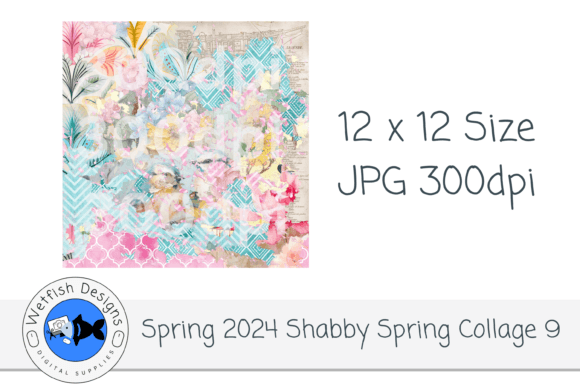
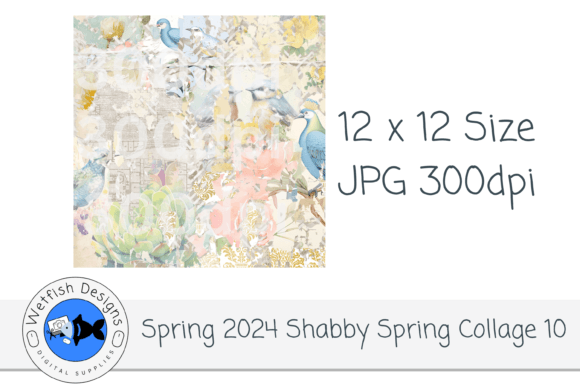
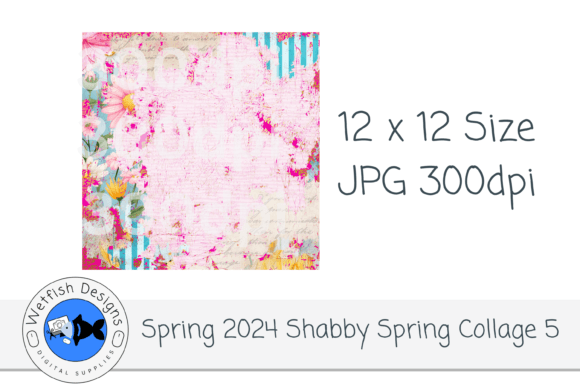
There is a distinct charm in the intersection of vintage aesthetics and modern digital convenience. Shabby Spring Printable Collage 5 captures this essence perfectly, blending watercolor florals with fragments of old newspapers, vintage sheet music, and eclectic patterns. The palette—soft pinks, teals, greens, yellows, oranges, and purples—evokes the gentle awakening of spring without feeling overly saccharine. However, many creators download high-quality assets like this only to underutilize them or encounter technical hiccups during production. Understanding how to properly integrate this specific collage into your workflow can mean the difference between a amateurish output and a polished, professional product.
Understanding the Asset Beyond the Aesthetic
Before diving into applications, it is crucial to recognize what you are actually working with. This is not merely a background image; it is a complex layering of textures and historical references. The inclusion of sheet music and newspaper clippings adds narrative depth, making it ideal for projects that require a sense of history or nostalgia. When you receive the single JPG file at 12 x 12 inches and 300 DPI, you are getting a print-ready asset. Yet, a common misunderstanding is treating all digital papers as interchangeable. This specific design coordinates beautifully with broader collections, such as the Spring Easter Collage Collection or the Spring 2024 Paper Collection. Ignoring these synergies often leads to disjointed designs where elements clash rather than complement.
Common Pitfalls in Digital-to-Physical Conversion
One of the most frequent mistakes beginners make involves resolution management. While 300 DPI is the gold standard for printing, issues arise when users resize the image incorrectly in their editing software. If you stretch a 12x12 inch image to fit a larger format, such as a poster or a large journal cover, without maintaining aspect ratio or using proper interpolation, the result will be pixelated and blurry. This destroys the delicate details of the watercolor florals and the fine print of the vintage text.
The better approach: Always check your document settings before placing the image. If you need a larger format, consider tiling the pattern or using it as a focal element rather than a full-bleed background. For smaller items like gift tags or candle labels, ensure you are not scaling it down so much that the intricate patterns become visual noise.
Overlooking Material Compatibility
Another significant oversight occurs when applying this design to physical surfaces. The soft, muted tones of pink, teal, and yellow look stunning on matte paper, but they can behave unpredictably on glossy or textured surfaces. For instance, using this collage for sublimation crafts on tumblers or phone cases requires careful color profiling. The "shabby chic" effect relies on a certain level of translucency and layering. If printed on a surface that saturates the ink too heavily, the vintage newspaper text may become illegible, and the watercolor effects may look muddy rather than ethereal.
Consider the end-use environment. If you are creating party napkins or wrapping paper, the absorbency of the material will darken the colors. A practical tip is to run a test print on the exact material you intend to use. This small step saves waste and ensures that the soft spring colors remain vibrant and distinct. For fabric decoupage or textile applications, remember that the weave of the fabric interacts with the print. A tight weave will preserve the detail of the sheet music, while a loose weave might distort the floral shapes.
Misjudging the Scope of Application
Many users limit themselves to traditional paper crafting, such as junk journals or greeting cards. While Shabby Spring Printable Collage 5 excels in these areas, restricting its use to only these mediums ignores its versatility. This pattern is equally effective for digital products. Social media headers, website graphics, and digital planner covers benefit from the organic, handcrafted feel this collage provides. However, a common error here is failing to optimize the file for web use. Uploading a 300 DPI JPG directly to a website can slow down load times significantly.
Best Practice: Create a web-optimized version (72 DPI, compressed JPG or PNG) for digital displays while keeping the original high-resolution file for print. This ensures your online presence remains fast and responsive while your physical products maintain their premium quality. Additionally, consider niche applications like car coasters or KDP book covers. For KDP journals, ensure that the spine and back cover align correctly with the front, which may require extending the pattern or using a solid color from the palette to bridge the gaps.
Neglecting Cohesion in Larger Collections
When creating a series of products, such as a set of playing cards or a line of stationery, consistency is key. A frequent mistake is mixing this collage with unrelated patterns that compete for attention. Because this design is busy—with its mix of florals, text, and geometric hints—it needs breathing room. Pairing it with overly complex patterns creates visual clutter. Instead, use solid colors extracted from the image’s palette (like the soft teal or muted purple) for accents, borders, or text backgrounds. This creates a harmonious look that feels intentional and curated.
For educators or small business owners creating branded materials, this cohesion builds trust and recognition. If you are making gift tags and wrapping paper, ensure the scale of the pattern is consistent. A large-scale floral on the wrapping paper paired with a tiny, dense pattern on the tag can look mismatched. Use the same source file and simply crop different sections to maintain visual harmony.
Legal and Ethical Usage Considerations
Finally, a critical area often overlooked is licensing. While you receive a high-quality JPG file, it is essential to understand the terms of use. Can you resell the digital file itself? Usually, the answer is no. You are purchasing the right to use the design in end products. Misunderstanding this can lead to copyright issues, especially for entrepreneurs selling on platforms like Etsy or Amazon KDP. Always read the license agreement provided by the creator. Using the collage for personal projects, client work, or physical products for sale is typically permitted, but redistributing the raw digital asset is not.
To avoid any ambiguity, keep records of your purchase and license terms. If you are unsure about a specific application, such as using the image in a trademarked logo, it is safer to consult the creator or choose a different asset. This diligence protects your business reputation and ensures you are supporting the artistic community responsibly.
Making the Right Choice for Your Project
Before finalizing your decision to use Shabby Spring Printable Collage 5, ask yourself a few guiding questions. Does the vintage aesthetic align with my brand or project theme? Do I have the right materials to print this effectively? Have I planned for both digital and physical optimizations? By addressing these considerations early, you avoid costly reprints and disappointing results. The possibilities are indeed limited only by your imagination, but that imagination works best when grounded in technical understanding and practical planning. Whether you are crafting handmade notebooks, designing social media headers, or creating unique gift tissue paper, this collage offers a versatile foundation. Treat it with care, respect its technical specifications, and let its shabby chic charm elevate your creative work.